
What is Down Syndrome?
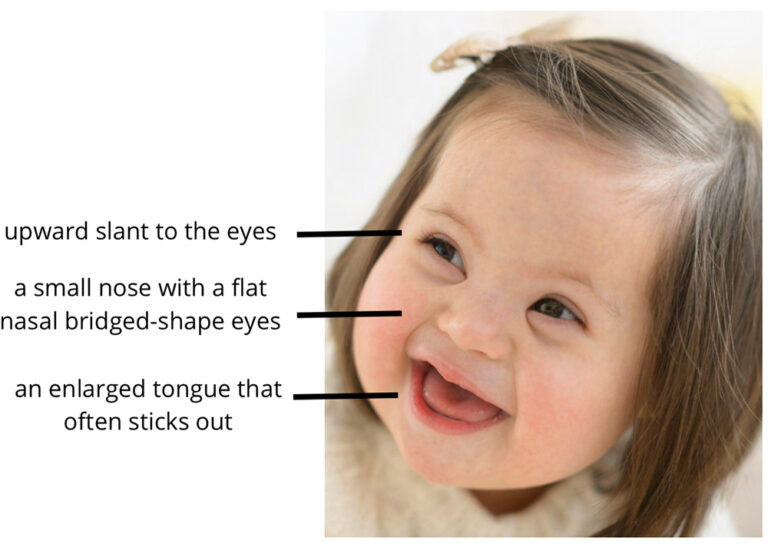
This additional genetic material alters the course of development, resulting in common physical traits associated with Down syndrome, such as an upward slant to the eyes, a small nose with a flat nasal bridge, low muscle tone, an enlarged tongue that often sticks out, and a single deep crease across the palm. While most individuals with Down syndrome experience mild to moderate cognitive delays, each person is unique, and these traits may vary in degree or may not be present at all. Other characteristics may include hyperflexibility of joints and small, abnormally shaped ears.
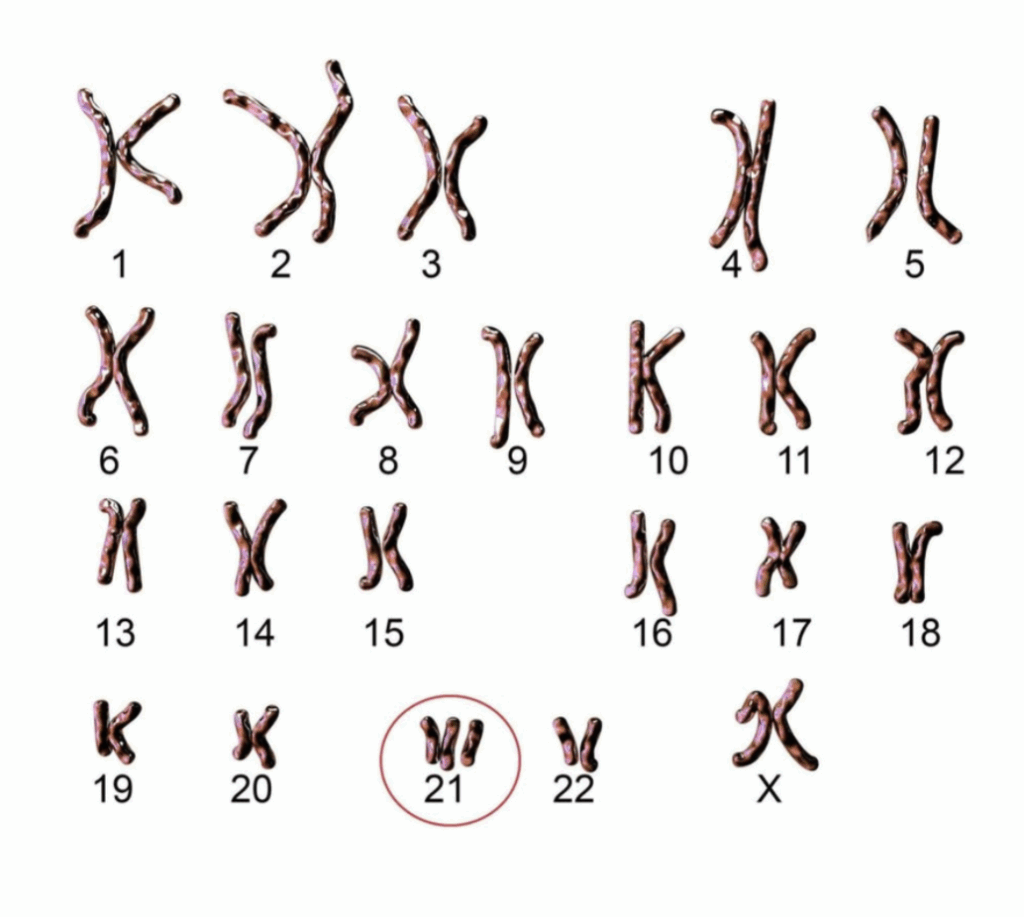
- Down syndrome (DS) is a genetic condition in which a person has an extra copy of chromosome.
- A chromosome is like an instruction manual for your body. It contains DNA, which carries all the information that determines how you look and how your body works. Chromosomes decide things like eye color, height, and how different parts of the body grow and function.
- Most people have 23 pairs of chromosomes, making a total of 46 chromosomes, half of which are inherited from each parent.
- People with DS have a full or partial extra copy of chromosome 21, meaning they have 47 chromosomes instead of 46. This is why Down syndrome is also called Trisomy 21.
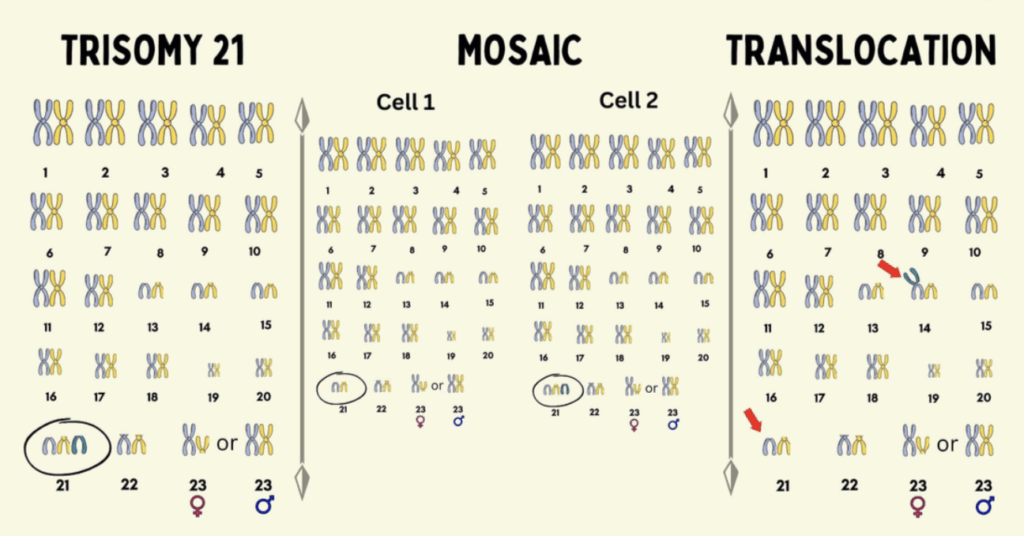
Here are three types of Down syndrome.
- Trisomy 21: This is the most common type of Down syndrome, making up 95% of cases. In this type, every cell in the body has an extra copy of chromosome 21.
- Mosaic: In this type, some cells have three copies of chromosome 21, while others have the typical two copies. It is rare, occurring in about 2% of people with Down syndrome. Because some cells have the typical number of chromosomes, individuals with this type may have fewer characteristic features.
- Translocation: This occurs when an extra part or a whole extra chromosome 21 is present, but it is attached to a different chromosome (“trans- located”) rather than being a separate chromosome 21. It is less common, affecting about 3% of people with Down syndrome.
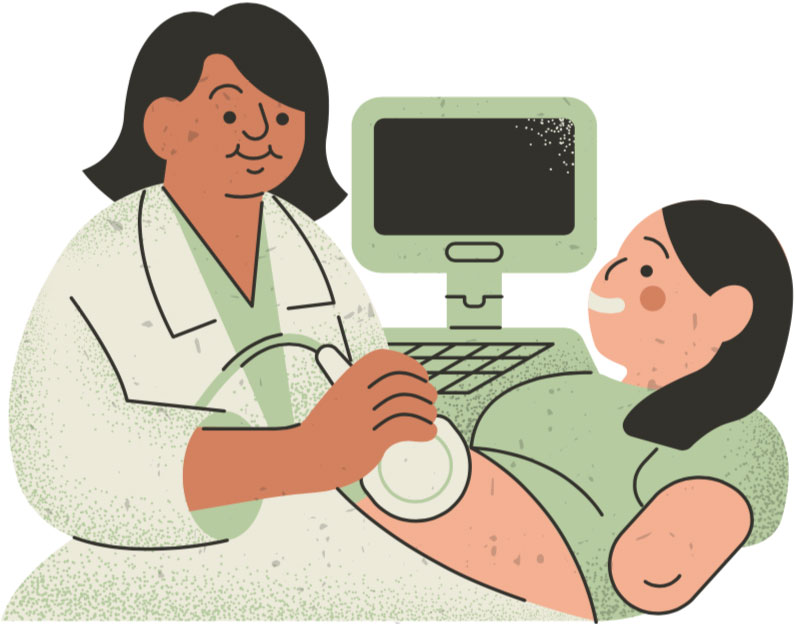
Down syndrome is diagnosed by examining the number and structure of a person’s chromosomes to identify the presence of an extra chromosome 21.
- Prenatal Testing: There are two types of prenatal tests for Down syndrome: screening tests and diagnostic tests. Screening tests estimate the chance of the fetus having Down syndrome. They typically involve a blood test and ultrasound. Some advanced screenings detect fetal chromosomal material in the parent’s blood with high accuracy, though they are not definitive. Diagnostic tests, such as chorionic villus sampling (CVS) and amniocentesis, provide nearly 100% accuracy but carry up to a 1% risk of miscarriage. CVS is done between 11–14 weeks, while amniocentesis is performed between 15–20 weeks of pregnancy. Prenatal screening and diagnostic tests are now routinely offered to all ages.
- Postnatal Testing: At birth, Down syndrome is often identified by physical traits such as low muscle tone, a single deep palm crease, a slightly flattened facial profile, and upward-slanting eyes. To confirm the diagnosis, a chromosomal analysis called a karyotype is performed, where doctors examine a blood sample to analyze the baby’s chromosomes. A faster genetic test, fluorescence in situ hybridization (FISH), can also confirm the diagnosis by mapping the genetic material in the cells.